

.svg)

Uncle Boojie’s to Shine New Light on Bourbon’s Influence on ‘The Great Gatsby’
Uncle Boojie’s Distilling Co. is shining a light on a little-known chapter of Kentucky history with new research exploring how Louisville’s bourbon culture, elite social circles and the people who moved within them influenced author F. Scott Fitzgerald during his formative years in Kentucky.
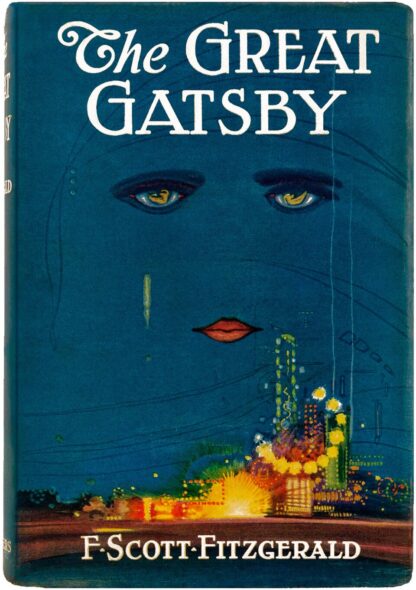
Drawing from archival records, family history, newspaper accounts and Fitzgerald’s own writing, the project examines the connections between the city’s whiskey industry and the themes of ambition, reinvention and the American Dream that would later define “The Great Gatsby.”
Researcher and writer Cassie Tatum is finding Fitzgerald’s ties to Louisville extended far beyond his time at Camp Taylor and the city’s well-known place in “The Great Gatsby” lore. Her work explores how Louisville’s unique blend of old-money society, self-made entrepreneurs and thriving bourbon culture shaped the young author’s understanding of class, aspiration and identity during his visits to Kentucky between 1914 and 1918.
Among the figures at the center of the research is Martin “Mr. Jesse”Spalding, a Howardstown bootlegger whose life and connections place him within the same broader Louisville and Nelson County whiskey networks Fitzgerald encountered. Tatum’s research examines Spalding alongside the wealthy, ambitious and often rule-breaking figures who populated Louisville’s social world, offering a new lens through which to consider the influences behind Fitzgerald’s fascination with status and moral ambiguity. Spalding’s relationships with Louisville’s distilling families and social circles offer a window into the world of wealth, ambition and reinvention that fascinated Fitzgerald throughout his career.
“When we began researching our family’s bourbon history, we expected to uncover forgotten Kentucky whiskey stories,” Stephen A. Smith, founder of Uncle Boojie’s Distilling Co., said in a news release. “What we found was evidence that Louisville’s influence on Fitzgerald — and on the ideas that would later shape ‘The Great Gatsby’ — ran deeper than many people realize. Cassie’s research gives us a much richer understanding of the world Fitzgerald experienced here and the people who helped shape it.”
Tatum’s research challenges the long-held assumption that Fitzgerald’s relationship with Louisville was limited to his brief military service. Instead, her work traces the author’s repeated connections to Kentucky between 1914 and 1918, placing him within a social world shaped by old-money families, ambitious entrepreneurs and the bourbon industry that fueled much of the region’s economic and cultural life. The research also follows the networks connecting Louisville and Nelson County, where families such as the Howards and Athertons played influential roles in distilling, distribution and the social circles that fascinated Fitzgerald throughout his career.
“Most people know that Louisville appears in Fitzgerald’s story, but what interested me was understanding how deeply embedded he was in the city’s social and economic world,” Tatum said. “When you begin looking at the people he knew, the places he frequented and the bourbon networks surrounding them, Louisville becomes much more than a stop along the way. It becomes part of the environment that shaped how he understood ambition, identity and the American Dream.”
That history extends directly to Uncle Boojie’s Distilling Co. Smith’s Howard family roots trace back to Kentucky whiskey-making traditions that form part of the story Tatum is researching. To preserve that legacy, Uncle Boojie’s is partnering with Whiskey House of Kentucky to recreate the historic Howard family mashbill using original family records.
The collaboration reflects Whiskey House’s growing role as a production partner for brands seeking to revive historic recipes and translate archival whiskey traditions into modern production.
“The Howard family story is an important part of Kentucky’s bourbon heritage that deserves greater recognition,” David Mandell, CEO and co-founder of Whiskey House of Kentucky, said. “We’re proud to work with Uncle Boojie’s to recreate this historic recipe and help bring a piece of Kentucky whiskey history back to life.”
Uncle Boojie’s Distilling Co. and Whiskey House of Kentucky will host an invitation-only discussion of Tatum’s research during the Kentucky Bourbon Festival in September. Guests will enjoy a curated tasting experience inspired by the project’s themes while learning more about the historical connections between Louisville, bourbon and The Great Gatsby.
Read more: Whiskey House of Kentucky Earns A2LA Accreditation for Lab Testing
About Uncle Boojie’s Distilling Co.
Located in Louisville’s historic Paristown neighborhood, Uncle Boojie’sDistilling Co. is one of the newest destinations on the Kentucky Bourbon Trail® Experience. Founded by Stephen A. Smith and named for his great-uncle, the distillery is built around a 200-year-old Howard family bourbon recipe. Through its philosophy of Porchlight Hospitality, Uncle Boojie’soffers bourbon experiences rooted in Kentucky history, craftsmanship and hospitality.
About Whiskey House of Kentucky
Whiskey House of Kentucky is designed from the ground up to create high quality, customized American whiskey. By incorporating best practices, programs, and state-of-the art technology from advanced food manufacturing, and applying them to distilling, Whiskey House delivers quality, flexibility in customization, and the ability to test and scale innovation projects for spirits companies around the world. Whiskey House has no brands of its own and a campus closed to the public, removing potential conflicts of interest between the company and its customers. For more information, visit WhiskeyHouse.com.